For many children living in vulnerable communities, the journey to school begins with pain.
Not the ordinary pain of waking up early or walking long distances. It is the pain of every step. The pain of swollen feet attacked by jiggers. The pain of being laughed at by classmates. The pain of hiding their feet under desks because shame feels heavier than the infection itself.
In many villages across Kenya, jiggers remain one of the silent struggles affecting children from disadvantaged backgrounds. What begins as a small infestation slowly steals more than physical comfort. It steals confidence. It steals concentration in class. It steals childhood joy.
Some children stop playing completely. Others avoid school because the embarrassment becomes unbearable. A child who once loved running with friends suddenly walks alone, carefully avoiding attention. Not because they want isolation, but because society often misunderstands poverty-related conditions.
Yet behind every painful story is the possibility of restoration.
For many children, jigger treatment becomes more than a medical process. It becomes the beginning of emotional healing.
One young boy had almost given up attending school. His feet were severely infected, and each step caused visible discomfort. Classmates whispered about him. Some refused to sit near him. Over time, silence replaced his cheerful personality. Teachers noticed he no longer participated in class discussions. His confidence disappeared long before the infection healed.
Then came a community outreach program.
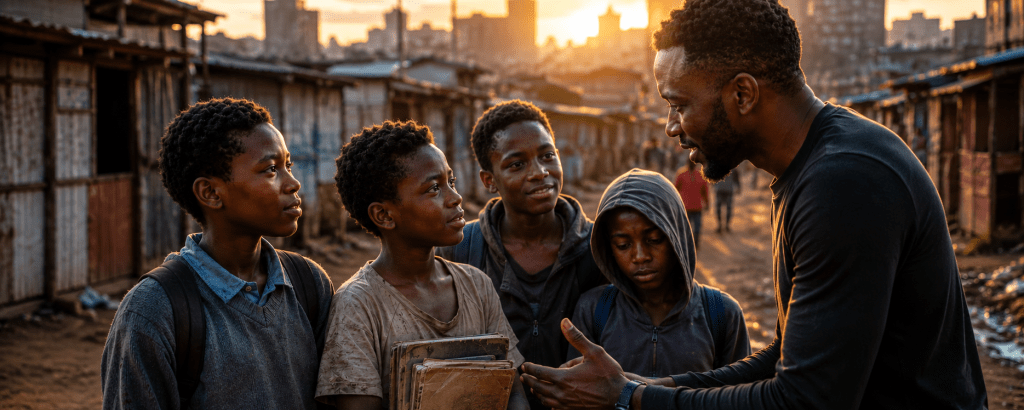
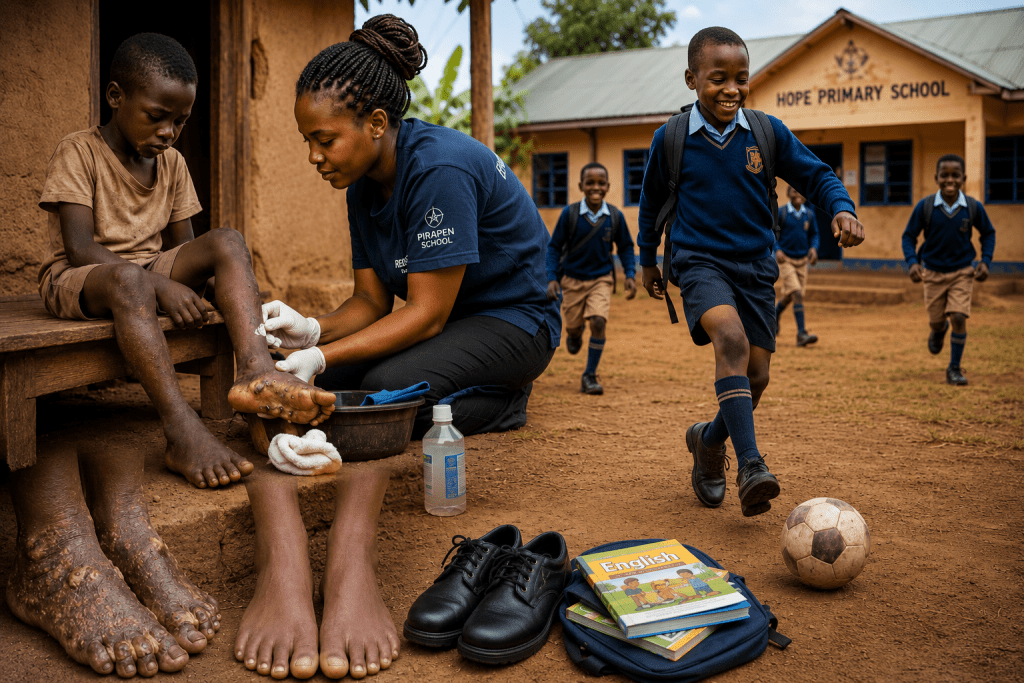
Volunteers arrived not only with treatment supplies but also with compassion. They cleaned wounds carefully, offered shoes, educated families on hygiene, and most importantly, treated the children with dignity. For the first time in a long while, the boy smiled without fear.
Weeks later, something remarkable happened.
He returned to school confidently. He began participating in football games again. His grades improved. The child who once hid at the back of the classroom slowly became active and social again. Healing his feet helped heal his self-esteem too.
Another young girl struggled silently for months. She loved dancing, but painful infections prevented her from joining school activities. Instead of participating during music festivals, she watched from a distance. Deep inside, she feared being noticed.
After receiving treatment and support, her life changed completely. She regained confidence and eventually performed during a school event. The applause she received became more than encouragement. It became proof that she still belonged.
These stories remind us that jigger treatment is not only about removing parasites. It is about restoring dignity to children who have carried invisible emotional wounds for too long.
When communities step forward with kindness instead of judgment, children begin to rediscover themselves. They start smiling again. They dream again. They interact freely without fear of rejection.
Simple acts create powerful change. A pair of shoes. A clean environment. Medical attention. Encouragement. Compassion.
To some people, these may seem small. To a child recovering from shame and isolation, they mean everything.
Every treated child carries a story of resilience. Every healed foot carries renewed hope. Every restored smile reminds us that compassion has the power to rebuild confidence where pain once lived.
Sometimes the greatest transformation is not visible in the feet.
It is visible in the smile that returns afterward.