Across many communities, poverty isn’t just about lack of money. It shows up as missed school days, untreated illness, broken confidence, and people quietly pushed to the margins. Real change doesn’t come from handouts alone. It comes from walking with people long enough for them to regain control of their lives.
The work on the ground focuses on restoring dignity first. That means meeting urgent needs without stripping people of their self-worth, while also creating pathways for long-term independence.
Breaking the Cycle, Not Just Relieving the Pain
Short-term relief matters. A hungry child cannot learn. A sick parent cannot provide. Immediate support is often the first step, but it’s never the final goal.
The real focus is on breaking cycles that keep families stuck:
-
Limited access to education
-
Poor health and untreated conditions
-
Lack of mentorship and positive role models
-
Social exclusion that isolates people from opportunity
Each intervention is designed to address today’s crisis while reducing tomorrow’s dependency.
Education as a Foundation for Change
Education is treated as a long-term investment, not a checkbox. Support goes beyond school fees or supplies. It includes mentorship, guidance, and consistent follow-up to help children and youth stay in school, build confidence, and imagine a future beyond survival.
When young people are supported early, they are far less likely to repeat the same struggles they were born into.
Mentorship That Builds Confidence and Direction
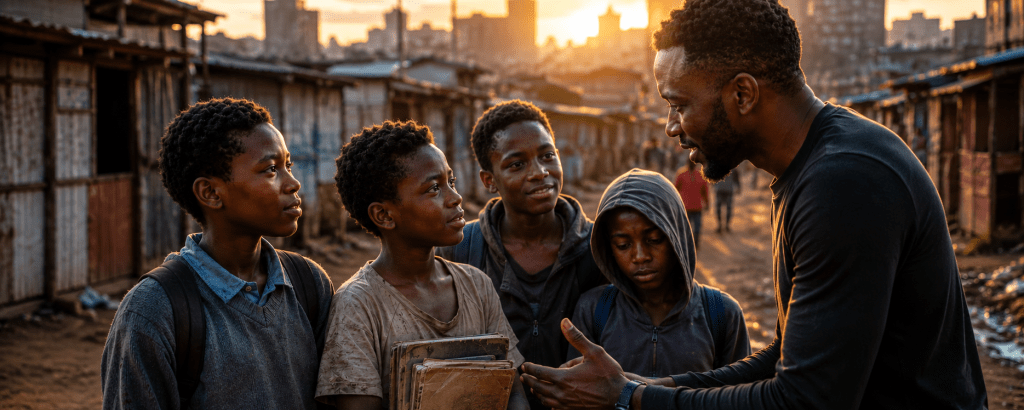
Many vulnerable youth don’t lack ability; they lack guidance. Mentorship programs focus on character, decision-making, and life skills. The goal is simple: help young people believe they have value and choices.
For women and marginalized adults, mentorship creates space to rebuild confidence, learn practical skills, and reconnect with their sense of purpose.
Health and Rehabilitation With a Human Touch
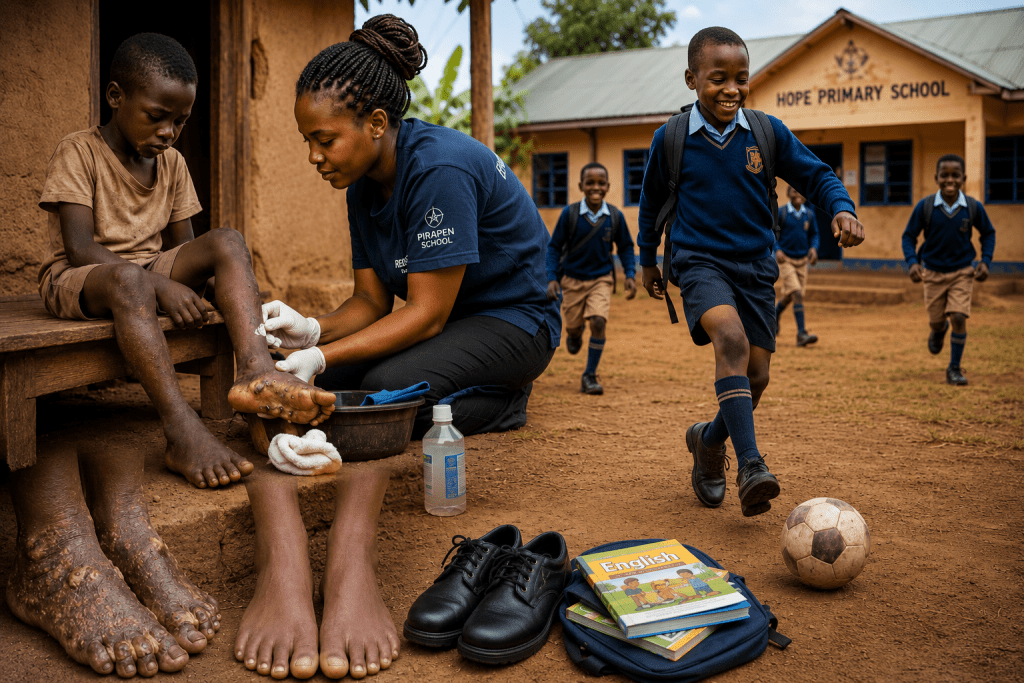
Health support is approached holistically. Physical well-being, emotional healing, and social reintegration are treated as connected, not separate problems.
Rehabilitation efforts focus on restoring people to community life, not isolating them further. Healing is most effective when people feel seen, supported, and respected.
Centering the Most Vulnerable
Children, youth, women, and marginalized adults remain at the center of every program. These are the groups most affected when systems fail, and the ones with the greatest potential to transform communities when given the right support.
The work adapts to real community needs, not donor trends or buzzwords.
Hope That Lasts
True impact isn’t measured only by numbers served, but by lives stabilized, confidence restored, and futures reopened. The goal is not to create dependency, but to help people stand again with dignity and hope.
Change is slow. It’s often quiet. But when people are empowered rather than rescued, the results last.